Sentient
Most fruits and vegetables, grains, pulses, nuts, seeds, dairy, herbs and mild spices form this kitchen’s foundation. In yogic teaching, they are considered supportive of both body and mind.

A world of delicious vegetarian food, rooted in yoga and made for real life. Nourish your body. Make space for a quieter mind.
Thoughtful ingredients.
Extraordinary possibilities.
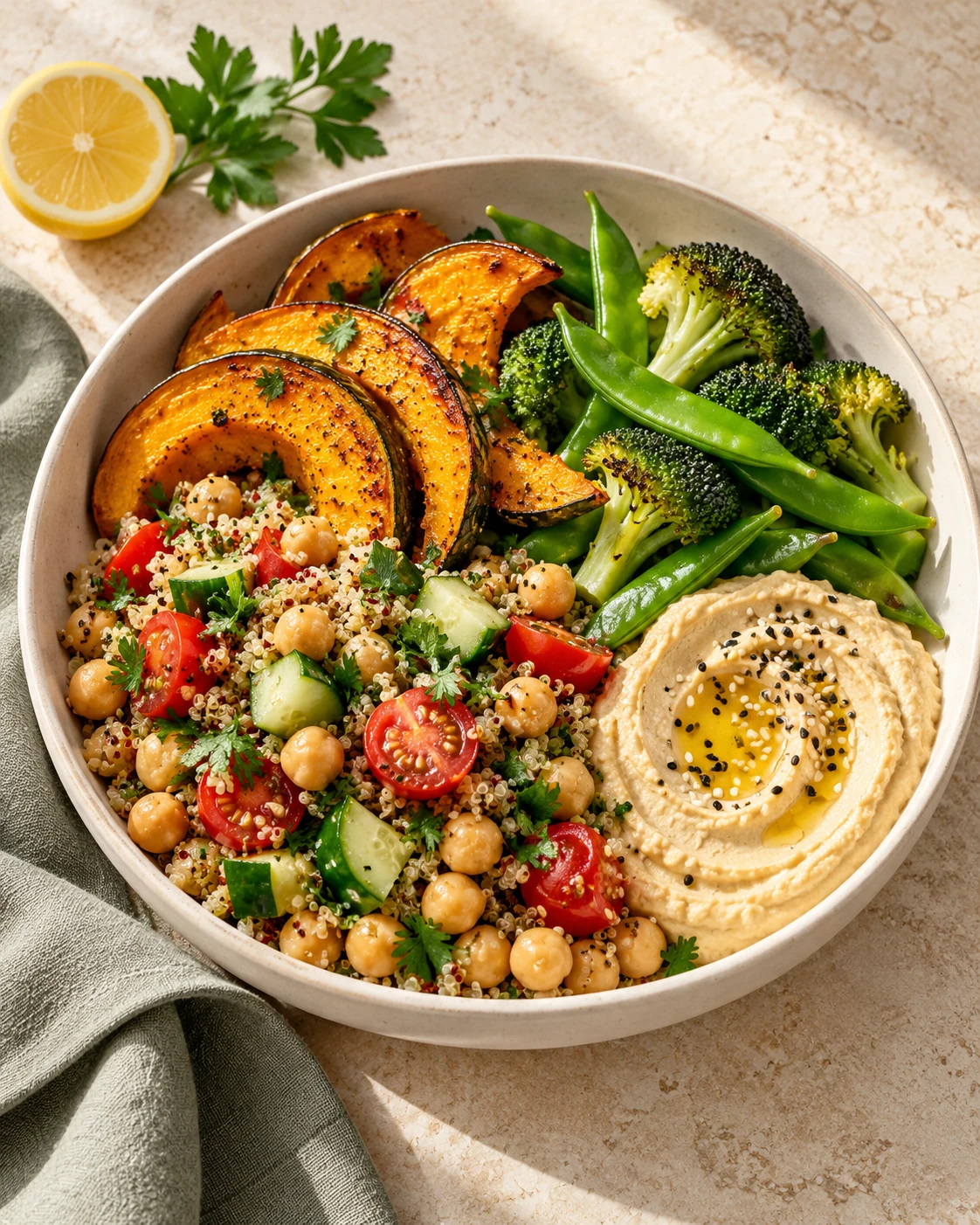

What we eat is part of how we live.
In the Ánanda Márga tradition, sentient—or sáttvika—food is chosen to nourish the body and support a calm, clear mind for meditation. It’s a way of bringing awareness to the everyday act of eating.
Vegetables, fruit, grains, pulses, nuts and seeds take centre stage. Dairy is optional. Freshly prepared meals, moderate portions and a relaxed approach to eating are part of the practice.
Meet the ingredientsÁnanda Márga’s approach places food within the wider rhythm of spiritual practice. It considers how ingredients may influence our capacity for calm attention, describing food through three traditional qualities.
Most fruits and vegetables, grains, pulses, nuts, seeds, dairy, herbs and mild spices form this kitchen’s foundation. In yogic teaching, they are considered supportive of both body and mind.
Coffee, caffeinated tea, cocoa, carbonated drinks and strong spices are traditionally regarded as stimulating. Our everyday recipes favour gentle spices and caffeine-free ingredients.
Meat, fish, eggs, alcohol, onion, garlic and mushrooms are excluded. In this tradition, their influence is considered unfavourable to mental clarity and inward focus.
The Ánanda Suruci kitchen follows their classification as static. Leaving them out is intended to support a mind ready for meditation. This is a choice grounded in yogic practice; flavour comes instead from ginger, herbs, gentle spices and thoughtful preparation.
Give a meal your attention: prepare it with care, sit comfortably and enjoy it without rushing. Choose portions that satisfy you, and make room in the day for meditation. A simple bowl of rice, beans and vegetables can express the same care as a beautifully prepared feast.
Bring that care beyond the plate. Share generously, use ingredients thoughtfully and respect the lives and work behind your food. Our recipes invite you to explore this spirit through many culinary traditions.
Adapted from Ánanda Suruci’s Sentient Vegetarian Kitchen ↗. Food qualities here describe yogic teaching.
Make room for colourful vegetables, satisfying grains and protein-rich beans, seeds or nuts.
Notice the aromas, textures and colours. Let care for your ingredients become care for yourself.
Enjoy food as part of a life that includes meditation, rest and kindness to other beings.
The food–meditation connection here reflects yogic teaching. Explore the tradition ↗
From the comfort of an Italian kitchen to the bright flavours of Asia. 84 recipes, seven collections. Familiar favourites, thoughtfully reimagined.
Discover the textures of millet, buckwheat, quinoa, rice and chickpea flour: bright salads, comforting bowls and beautiful desserts, all within the sentient tradition.
Use gluten-free-labelled flours, grains, tortillas and baking ingredients, and check other packaged products. Keep preparation surfaces and utensils free from gluten cross-contact. Gluten-free kitchen guidance ↗
Try a different ingredient or course.
Simple ingredients. Clear steps. Something for every table.
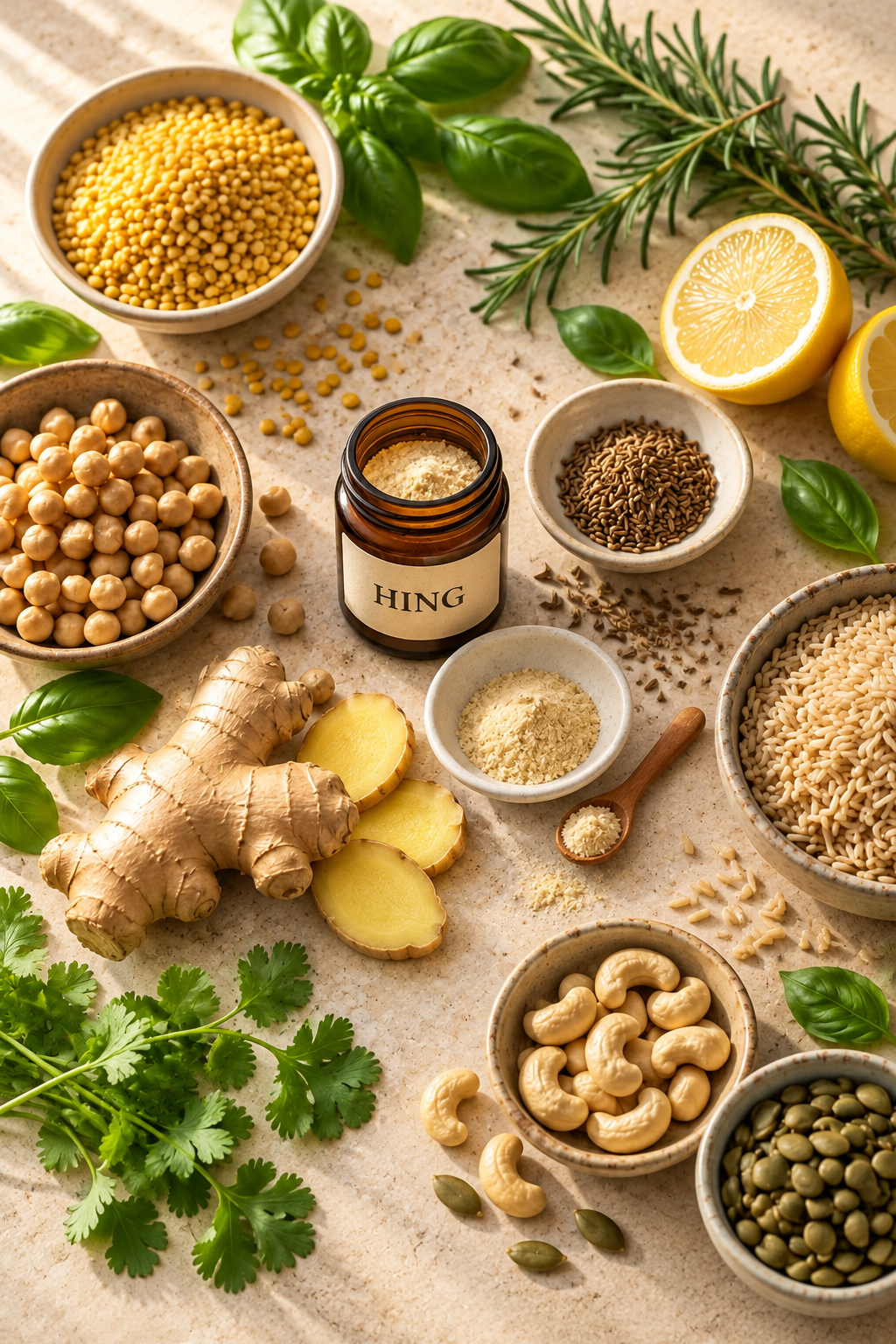 EVERYDAY INGREDIENTS. ENDLESS INSPIRATION.
There’s a whole world of flavour beyond onion and garlic. Build it in layers: warm ginger, toasted cumin, fragrant herbs, a squeeze of lemon.
A small kitchen habit: check prepared stocks, curry pastes and sauces for hidden onion, garlic, animal ingredients or alcohol.
Vegetables & fruit
Grains & pulses
Nuts, seeds & plant oils
Fresh herbs & gentle spices
Milk, yogurt & vegetarian cheese, if desired
Meat, fish & eggs
Onion, garlic & mushrooms
Alcohol & animal gelatin
Coffee, caffeinated tea & cocoa
Red chili
You don’t have to know everything to begin. A curious mind and a well-stocked kitchen are a lovely place to start.
Here, “sentient” describes the sáttvika category in yogic teaching: food considered supportive of both body and mind. The word describes the quality of the food, rather than suggesting the food itself is conscious.
Sentient food is vegetarian and excludes eggs. Dairy is permitted in this tradition, and many of our dishes are entirely vegan. Each recipe includes dietary and allergen notes.
This follows their traditional yogic classification and perceived effect on meditation. It is not a claim that they have no nutritional value. Our recipes find flavour in herbs, ginger, spices and citrus instead.
Absolutely. Choose egg-free pasta and noodles, and use homemade dressings and sauces. Ginger, cumin, lemon and fresh herbs bring character to curries, salads, soups and comforting baked dishes.
Try one recipe you love. Keep ingredients varied, eat enough to feel nourished, and notice your own experience. Food is one part of a wider practice that includes regular meditation, rest and ethical living.
The world is full of flavour.
Bring a little home.